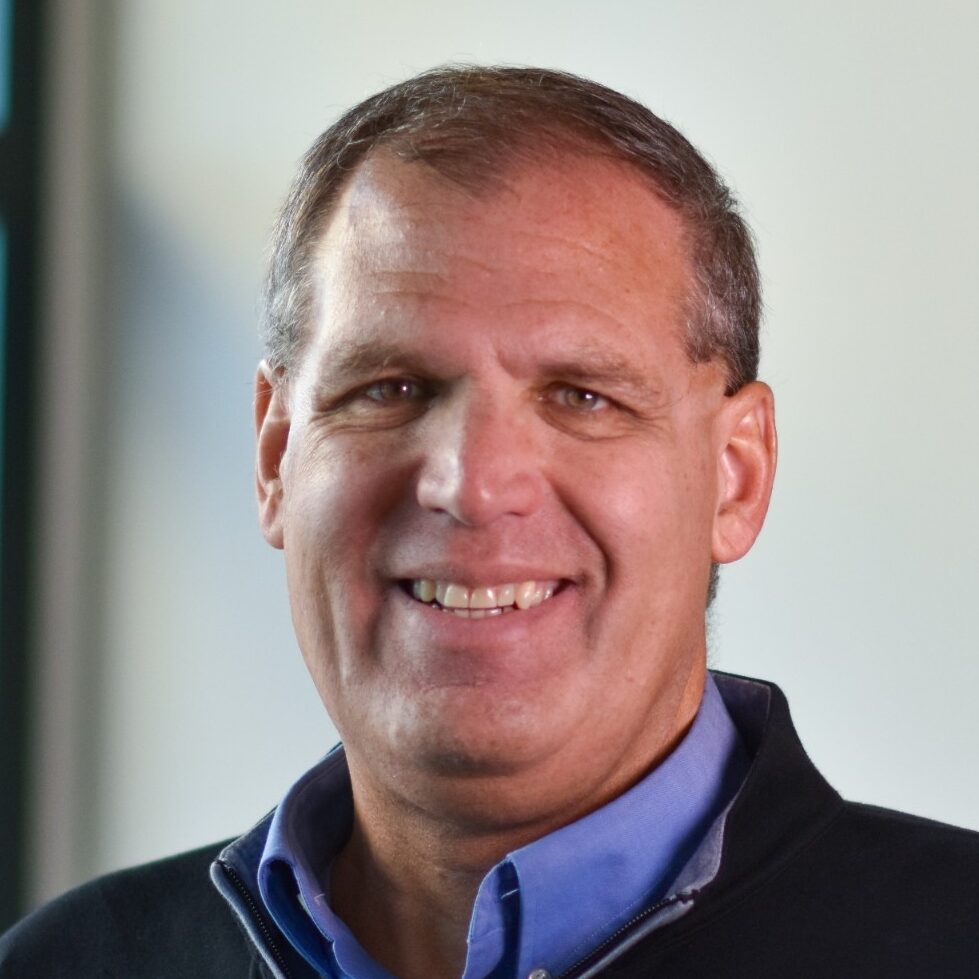
Dr. Larson is the Principal Investigator and Founding Director of the AIDE Lab. He is Professor of Radiology (Pediatric Radiology) at Stanford School of Medicine. He also serves as the Associate Chief Quality Officer for Improvement for Stanford Health Care (SHC), overseeing improvement training programs at SHC and the Improvement Capability Development Program (ICDP) for the medical center. He serves as the Quality and Safety Trustee for the American Board of Radiology and the Chair of the Quality and Safety Commission for the American College of Radiology, where he is the founding director of the ACR Learning Network. Dr. Larson’s research interests focus on the intersection between machine learning and quality improvement. This began with his work in CT radiation dose optimization and process control, combining image quality assessment, dose prediction and monitoring, and statistical process control methods to achieve consistently optimized CT doses in children. This has now expanded to developing methods to evaluate and monitor performance of AI as well as image quality in the clinical environment.
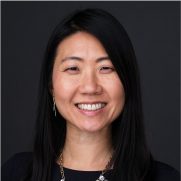
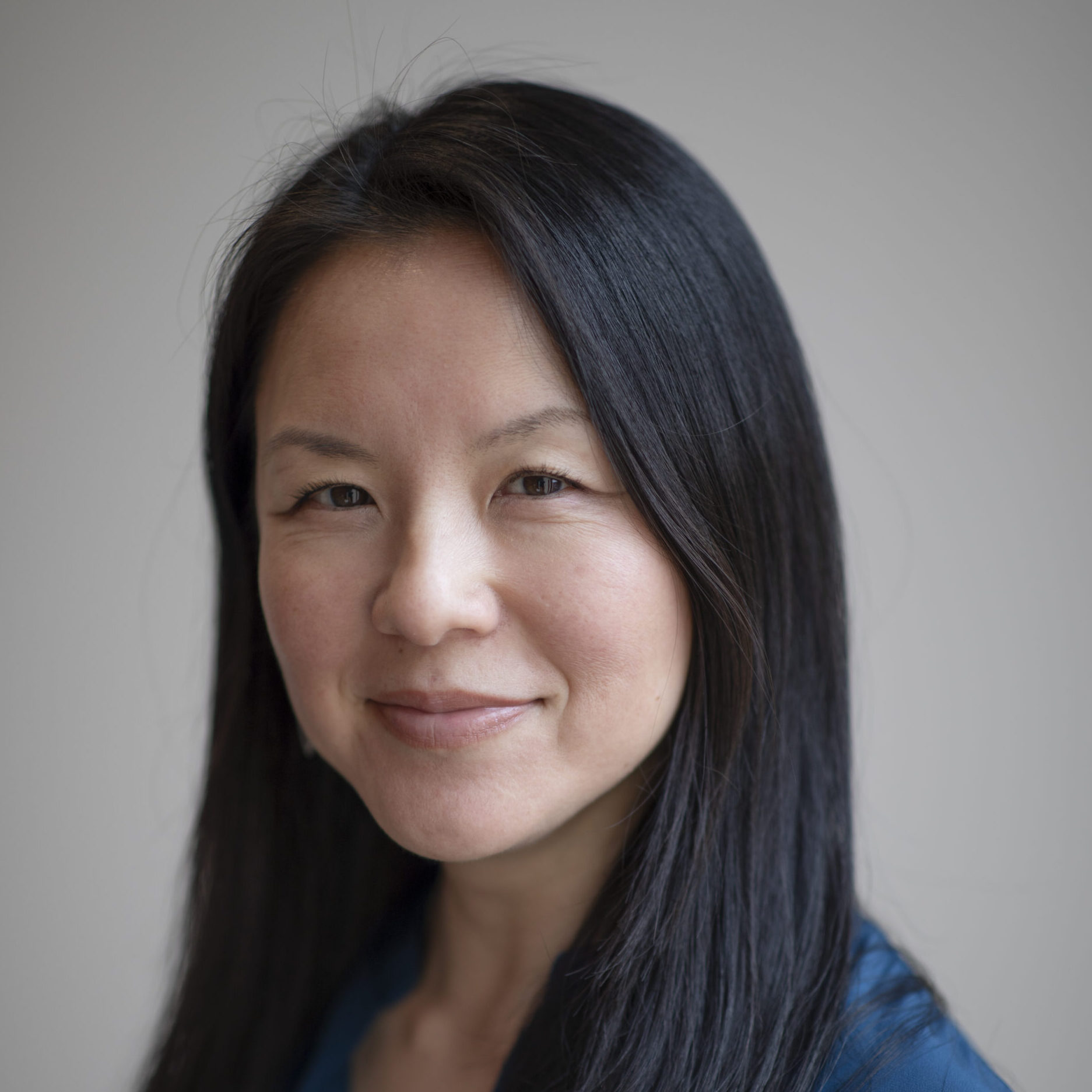
Hye Sun is the Managing Director of the AIDE Lab, establishing and operationalizing the lab’s strategy and vision through the responsible development, assessment, monitoring, and improvement of AI models. Previously, she was a Senior Director of Product Management at GE Healthcare, spearheading their digital ecosystem strategy to accelerate AI application development and facilitate seamless integration of multi-vendor applications into customer workflows. Hye Sun received her B.S. in Biomedical Engineering from the University of Texas at Austin and is a member of the American Association of Physicists in Medicine.
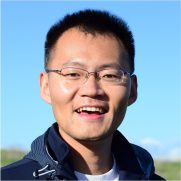
Dr. Fang is a Principal ML Scientist in the AIDE Lab. His research interests lie in driving AI innovations in medicine, with a focus on AI model design and development, performance and robustness evaluation, and quality monitoring and debugging. Previously, he was a founding member and the Data Science Lead at LVIS corporation, pioneering personalized neurological disease treatment using cutting-edge neuroscience findings and AI technologies. He received his Ph.D. from Stanford University, M.S. from the University of California Los Angeles, and B.S. from Zhejiang University, China.
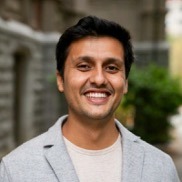
Arogya is an ML Engineer in the AIDE Lab. His responsibilities include identifying and implementing state-of-the-art vision and language models to support the lab’s work in designing methods for evaluating and monitoring clinical AI. In addition, he works closely with Zhongnan to architect and implement robust and fault-tolerant data, training, evaluation, and visualization pipelines for model evaluation. Arogya received his M.S. from the University of California Berkeley, and B. Tech from National Intitute of Technology Warangal, India.
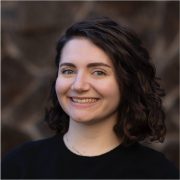
Dr. Paschali is an ML researcher investigating methods for evaluating AI models in radiological applications, with an emphasis on subgroup analysis to ensure fairness and reliability. Prior to her current role, Magdalini was part of the Stanford Computational Neuroscience Laboratory, working on multi-modal learning and identifying early disease biomarkers for neuropsychiatric disorders. She completed her Ph.D. and M.Sc. at the Technical University of Munich (TUM), and Bsc from Aristotle University of Thessaloniki.
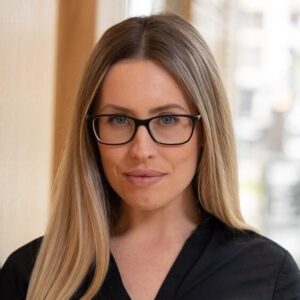
Dr. Armstrong is a cognitive psychologist and human factors researcher focused on developing and validating tools to enhance radiologists’ interaction with AI, maximizing the benefits of human-AI teaming. Previously, as a postdoctoral fellow at North York General Hospital in Toronto, Canada, she used simulation and user-centered design to understand and optimize the socio-technical systems in the operating room. As a postdoctoral fellow at St. Michael’s Hospital in Toronto, Canada, her research investigated the neural signatures underlying surgeons’ technical errors. She holds a PhD and MA from Toronto Metropolitan University and a BA from the University of Waterloo.
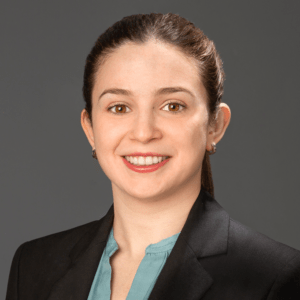
Dr. González is an ML researcher developing dynamic learning and monitoring methods for clinical AI systems. Her research on continual learning and uncertainty estimation has been recognized with the MICCAI Young Scientist Award, the Francois Erbsmann Award at IPMI, the BVM Award, and the Freunde der TU Darmstadt Award for Outstanding Scientific Achievements. She completed her undergraduate studies and received her Ph.D. in Computer Science from the Technical University of Darmstadt. Beyond research, Camila serves on the board of the ContinualAI research society and will be Career Development and Student Chair for MICCAI 2026 and 2027.
Shannon is the Executive Technical Director of the 3DQ Lab at Stanford Department of Radiology. He works closely with healthcare providers, researchers, and educators to enable effective health visualization and innovations including 3D printing, immersive volumetric visualization, and clinical implementation of validated AI algorithms. Shannon received his M.S. from University of Phoenix and Radiology Technologist certification from Florida Hospital College of Health Sciences.
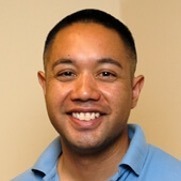
Derrick is the Clinical AI Lead Technologist in the 3DQ Lab at Stanford Department of Radiology. He is responsible for implementing and operating clinical AI, including collaborating with the AIDE lab on the evaluation and monitoring procedures for AI solutions. He facilitates collaborations with Stanford research groups and vendors, provides training to technologists on AI implementations, and ensures quality control for AI solutions. Derrick received his Radiology Technologist (RT) certification from Mills Peninsula School of Diagnostic Imaging and B.A. from San Francisco State University.
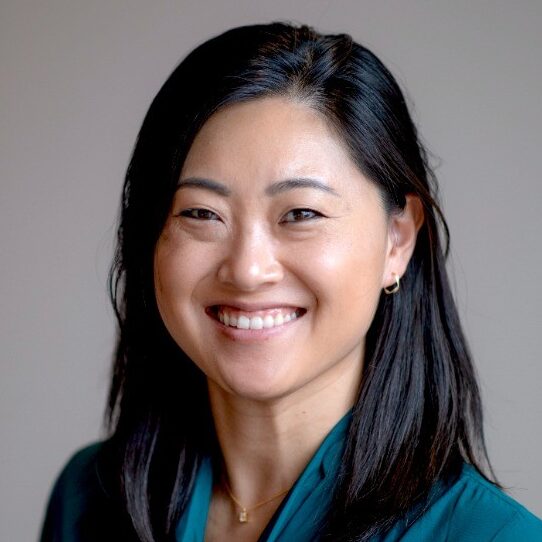
Dr. Cheuy is a Clinical AI Technical Writer who supports all communication efforts in the AIDE lab, including in the preparation of technical documents and publications. Previously, she was an academic editor who assisted publication efforts for journal articles across a diverse range of disciplines, including biomedical engineering, oncology, biochemistry, molecular imaging, nuclear medicine, AI/ML development, and radiology. She completed her Ph.D. at University of California Davis and B.S. from Washington University in St Louis.